
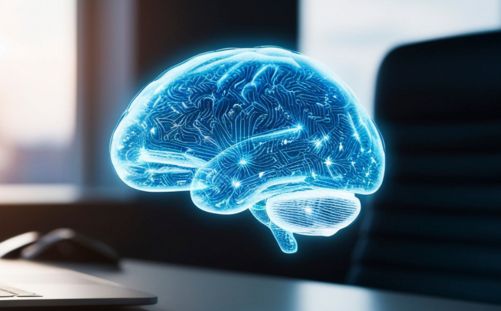
The mantra ‘never stop learning’ isn’t just a motivational cliché or professional expectation- it is a biological necessity for the brain. In an era of rapid technological shifts and increasing life expectancy, adult learning, particularly through Continuing Professional Development (CPD), is the cornerstone of a vibrant, healthy, and meaningful life.
In our younger years, education is often seen as a race with a defined finish line. We collect our certificates and step into the ‘real world’, assuming the heavy lifting of learning is behind us. However, the most successful and resilient individuals recognise that this supposed finish line is a myth.
The Biological Imperative of Your Brain: Use It or Lose It
We often hear the brain compared to a computer, but it is far more organic than that. It functions much more like a muscle. If you stop exercising it, it doesn’t just stay the same; it begins to atrophy.
As Oxford Lifelong Learning state, “the adult brain can and does continue to develop at any age – but only when it is stimulated by learning new things. ‘Use it or lose it’ – the old adage applies. It is largely our choice, as individuals, whether we keep our brains sharp – or not.”
The Power of Synaptic Firing
Every time you grapple with a new concept, be it a complex piece of software, a foreign language, or a new management theory, your neurons communicate. This firing of synapses is what keeps the brain’s machinery oiled.
When we stick purely to what we know, we rely on well-trodden neural pathways. While efficient, this leads to cognitive stagnation. By challenging ourselves with fresh information, we force the brain to maintain its efficiency and speed.
Neuroplasticity and Cognitive Reserve
One of the most exciting discoveries in modern neuroscience is neuroplasticity: the brain’s ability to reorganise itself by forming new neural pathways throughout life.
The Center for Brain Health summarise well how, “Cognitive reserves influence the brain’s resilience to damage or disease. Increased cognitive reserves can help prevent or delay symptoms of dementia and brain injury. Lifelong learning helps build up cognitive reserves and increase the chances of staving off cognitive decline.”
Essentially, engaging in CPD and lifelong learning, you aren’t just gaining a qualification; you are literally fortifying your mind against the passage of time by:
- Creating New Pathways: When you learn a new skill, your brain physically changes. It builds new bridges between neurons.
- Fighting Cognitive Decline: This process builds your cognitive reserve (think of it as a biological buffer). The more pathways you have, the better your brain can withstand the effects of ageing or neurodegenerative conditions.
The Professional Edge: CPD as a Growth Engine
In the modern workplace, the ‘half-life’ of skills is shrinking. What was cutting-edge five years ago may be obsolete today. This is where Continuing Professional Development (CPD) becomes vital.
CPD is more than just a box-ticking exercise for professional bodies. It represents a commitment to excellence. It allows adults to:
- Stay Relevant: Maintaining a competitive edge in a global market.
- Adapt to Change: Developing the agility to pivot when industries shift.
- Boost Confidence: There is a profound psychological benefit to knowing you are competent and current in your field.
Equal Education Partners described it well when they said that adult learning, “opens up myriad possibilities for personal growth… The benefits of learning extend beyond the acquisition of knowledge; they encompass the joy of mastering new techniques and skills, providing a constant source of pride”.
The Power of Mentor Training: A Holistic Approach to Learning
If you are looking for a specific avenue for upskilling that offers a high return on investment for the brain, mentor training is an exceptional choice. Unlike purely technical courses, mentor training develops the ‘human’ side of the professional equation.
Mastering Core Competencies
Training to be a mentor isn’t just about giving advice. it requires a deep dive into several critical areas:
- Active Listening: Truly hearing what is being said (and what isn’t), which requires intense focus and cognitive presence.
- Precision Communication: Learning to articulate complex ideas simply and effectively.
- Critical Thinking: Analysing situations from a third-party perspective to provide objective guidance.
Indeed, NCFE report that enhancing ‘essential skills’, “such as resilience, communication, speaking, listening, presenting and understanding… means that you’re 52% less likely to be out of work or education”.
The Human Connection
We are social animals. Isolation is a known contributor to cognitive decline. A survey by Symonds Research found that, “the opportunity to socialize and meet new people and friends who share the same interests was stated as being one of the key benefits of adult learning”.
These connections are a fundamental way of improving mental health, which in turn positively impacts your brain health.
Mentor training further promotes this human connection, with its purpose fundamentally reinforcing a sense of purpose and community. At the same time, it is well known that the act of teaching or guiding another person bolsters your own knowledge (a phenomenon known as the protégé effect) to enhance your learning experience.
“To teach is to learn twice.” — Joseph Joubert
Conclusion: Start Your Next Chapter
The evidence is clear: a sedentary mind is a vulnerable mind. Whether it is through formal CPD, a deep-dive into mentor training, or simply picking up a challenging new hobby, the act of learning is the best investment you can make in your future self.
By keeping those synapses firing and building new neural pathways, you are not just staying up to date and improving your employment prospects- you are preserving the very essence of your cognitive health.
Why not do a bit of brain training today and try our free Basics of Mentoring mini-course?